Loading CILPAPreparing the next page...

A searchable institutional library connecting publications, projects, convenings and news across CILPA’s legal and policy work.
The African Journal of Legal Studies is a peer-reviewed and interdisciplinary academic journal focusing on human rights and rule of law issues in Africa, drawing analysis from lawyers, economists, political scientists and scholars from across the continent and beyond.
CILPA has received accreditation from the Sierra Leone Tertiary Education Commission to offer short courses in international law.
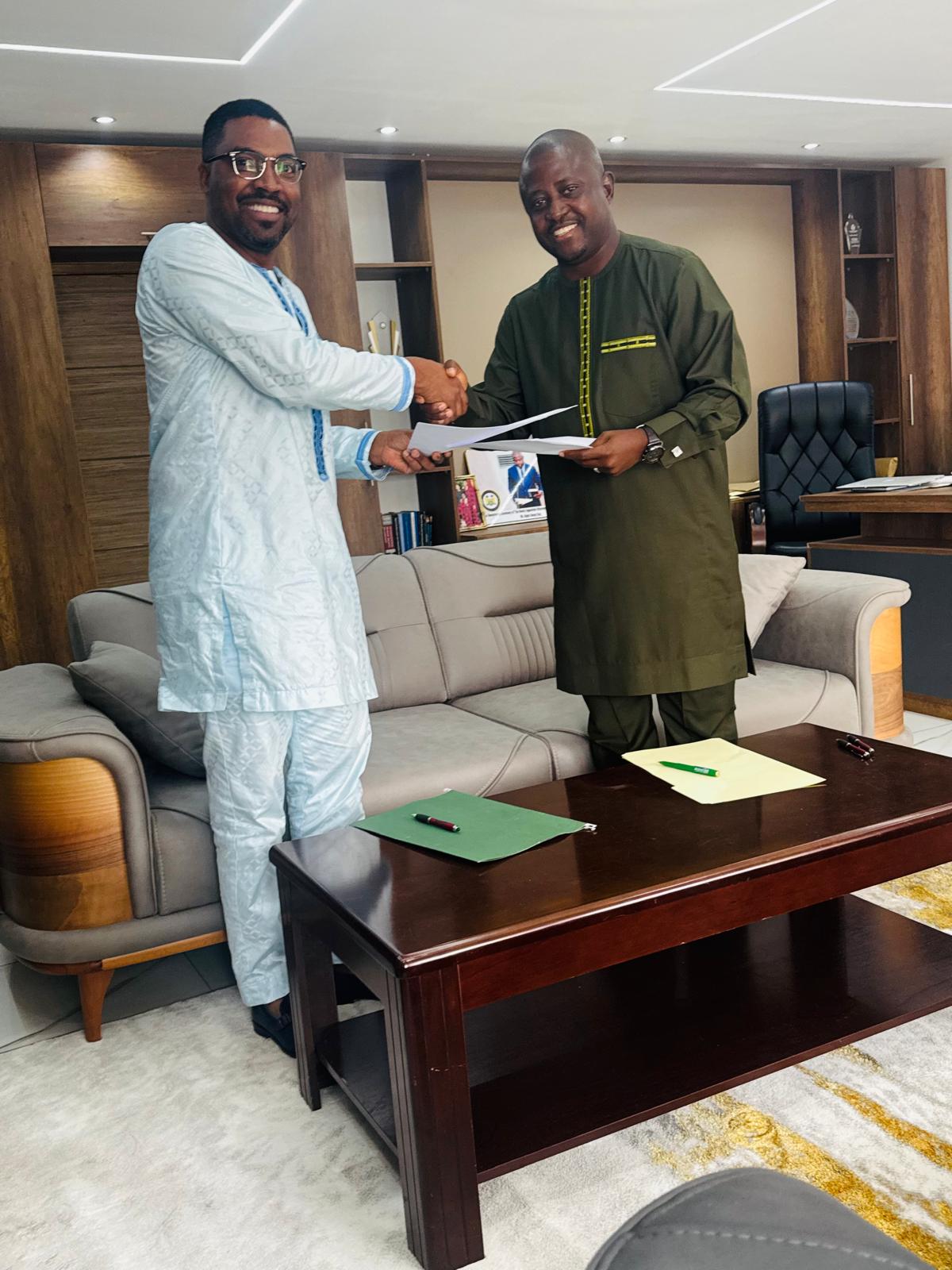
CILPA has signed MoUs with government, academic and legal institutions to support legal training and international relations.
The project supports African States’ engagement with the international legal order through training for legal advisers, judges, practitioners, armed forces personnel and foreign affairs officials.

A general support project focused on capacity building and strengthening CILPA’s role in Africa’s engagement with the international legal order.
It is our pleasure to invite you to a 2-day Scientific Evidence on Climate Change Clinic in Africa Conference hosted by the Center for International Law and Policy in Africa (CILPA), on 10 and 11 February 2025 at the Ramada by Wyndham Hotel in Addis Ababa, Ethiopia.
CILPA, in partnership with the IBA and CEELI Institute, held a conference on universal jurisdiction in Prague and published a statement reflecting the proceedings.
A project designed to enhance clarity for States, civil society and other stakeholders on the principle and application of universal criminal jurisdiction.
A project assisting selected African States participating in the International Court of Justice advisory proceedings with context-specific scientific evidence on climate change.
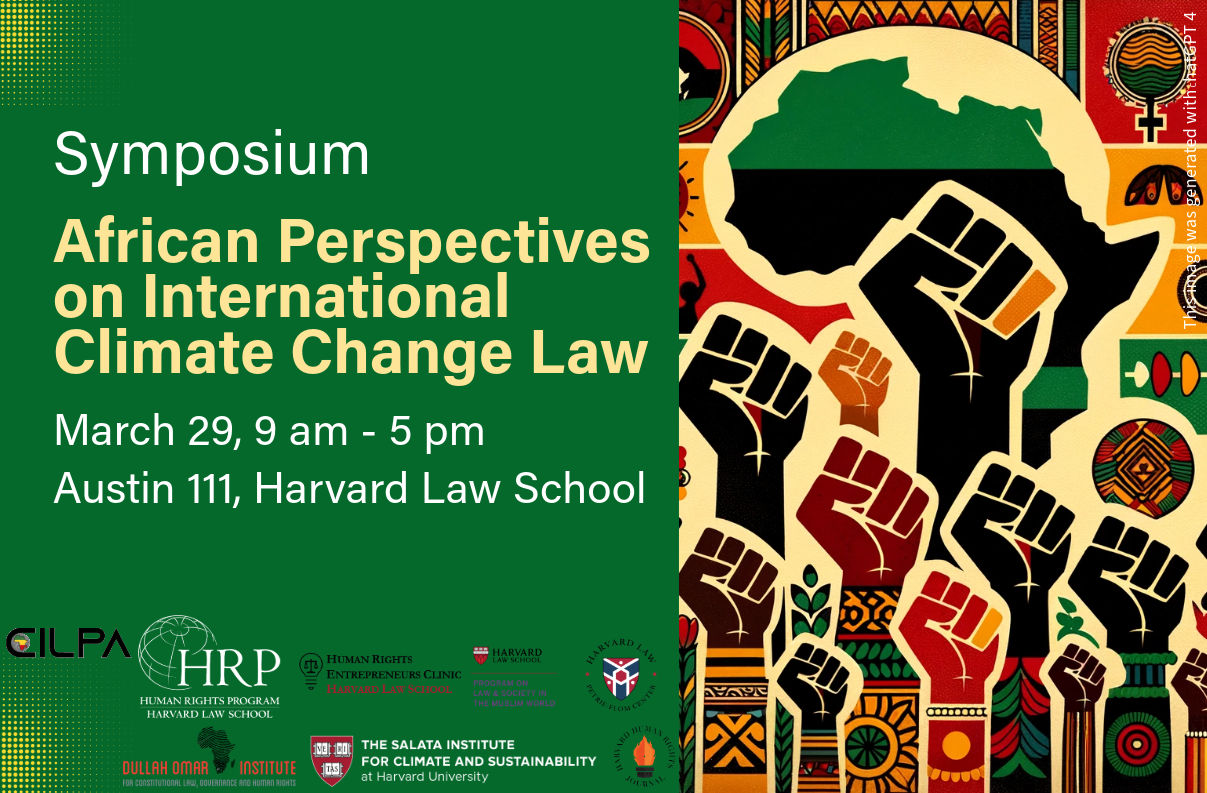
There has been a significant rise in climate change litigation over the last decade. The recent advisory opinion proceedings before the International Court of Justice (ICJ) and the International Tribunal for the Law of the Sea (ITLOS), as well as the request for an advisory opinion before the Inter-American Court of Human Rights are judicial proceedings with potentially far-reaching implications towards the obligations of states in connection with climate change.
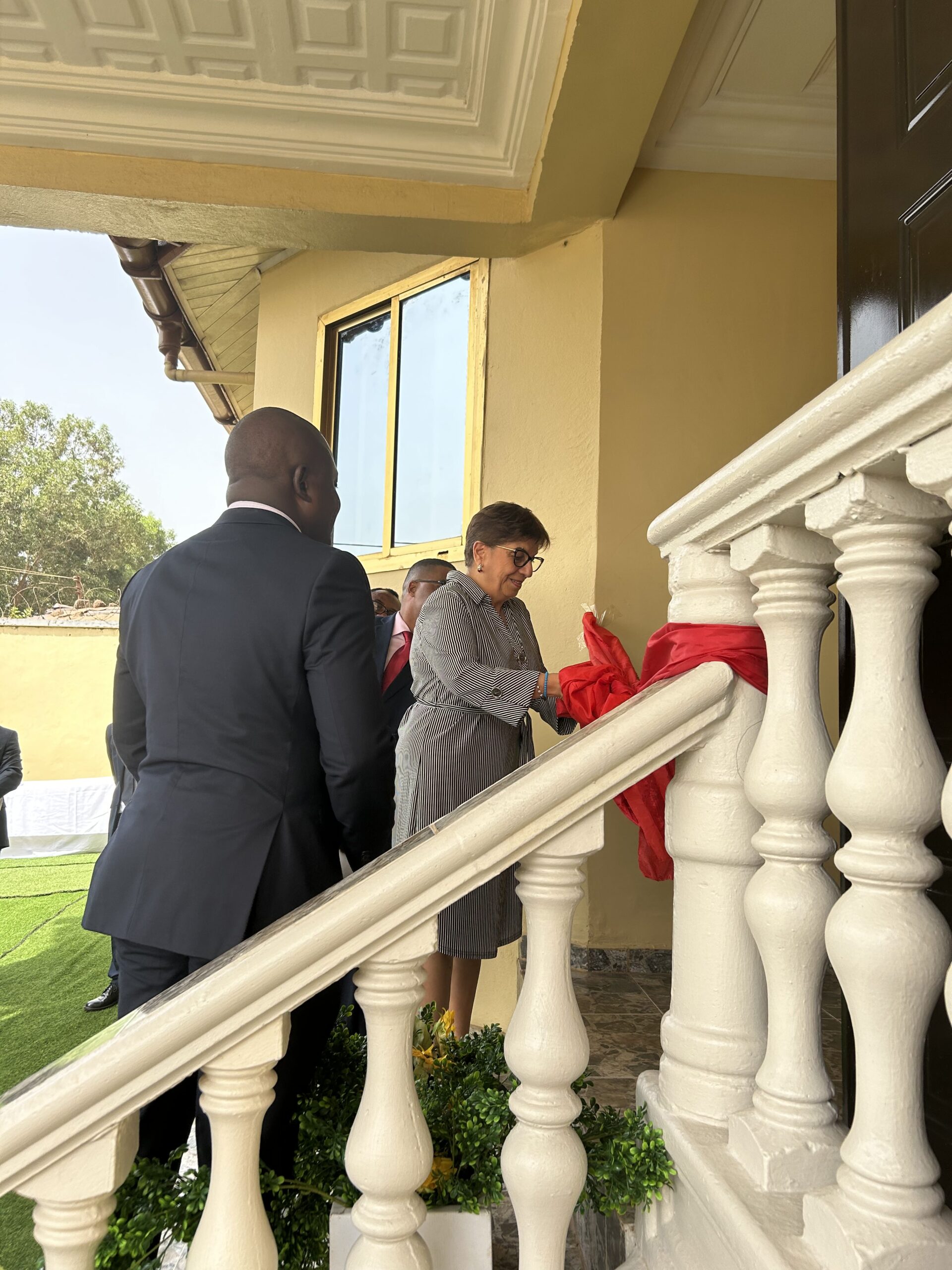
Having operated internationally for three years, CILPA was proud to announce the official opening of its own offices in Freetown, Sierra Leone, on 6 March 2024 from 9:00 to 13:00 at 1 Abib Drive, SS Camp, Freetown, Sierra Leone.
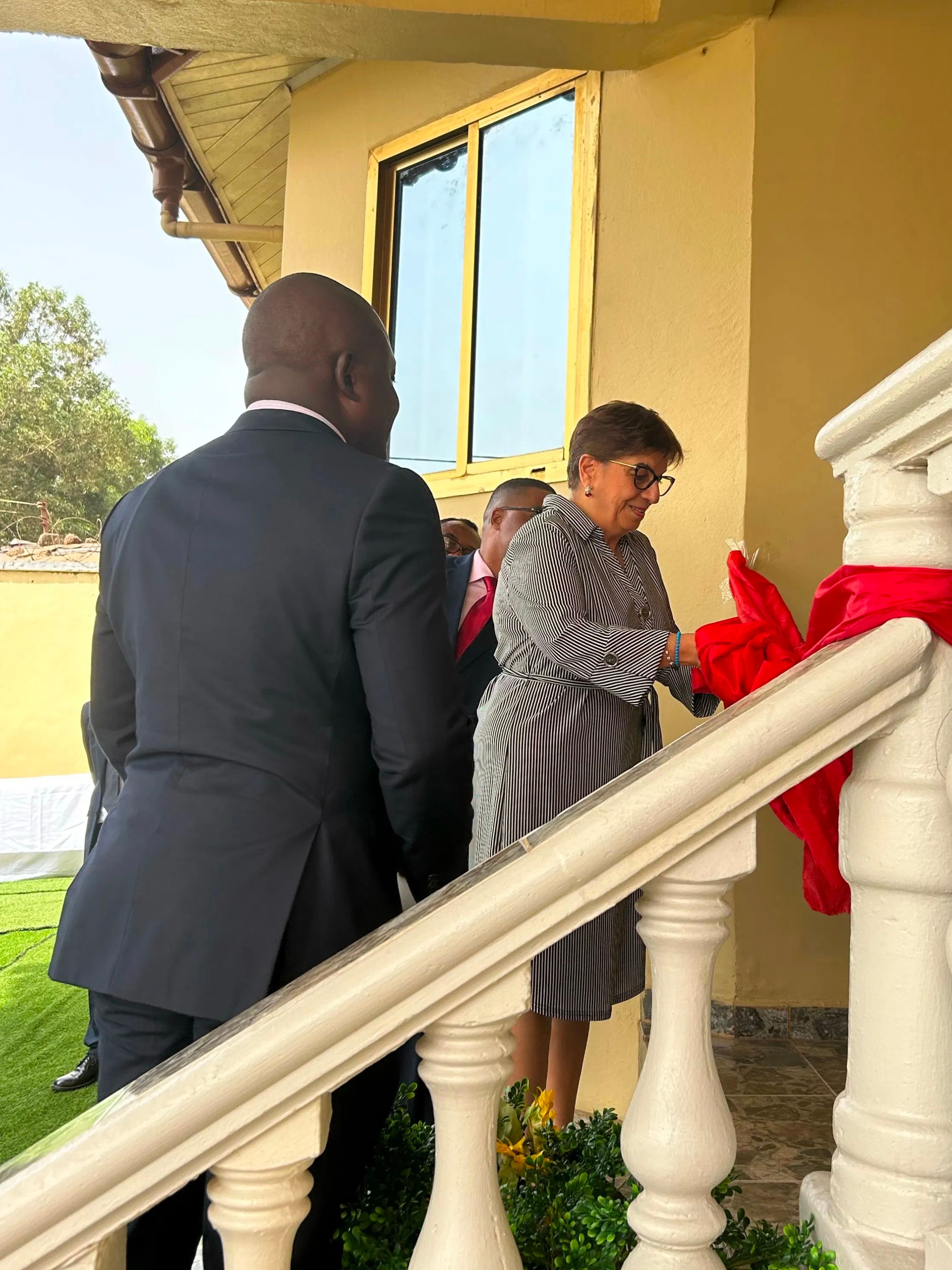
CILPA officially opened its standalone facilities in Freetown at 1 Abib Drive, SS Camp, Sierra Leone, following three years of operating from shared office space.
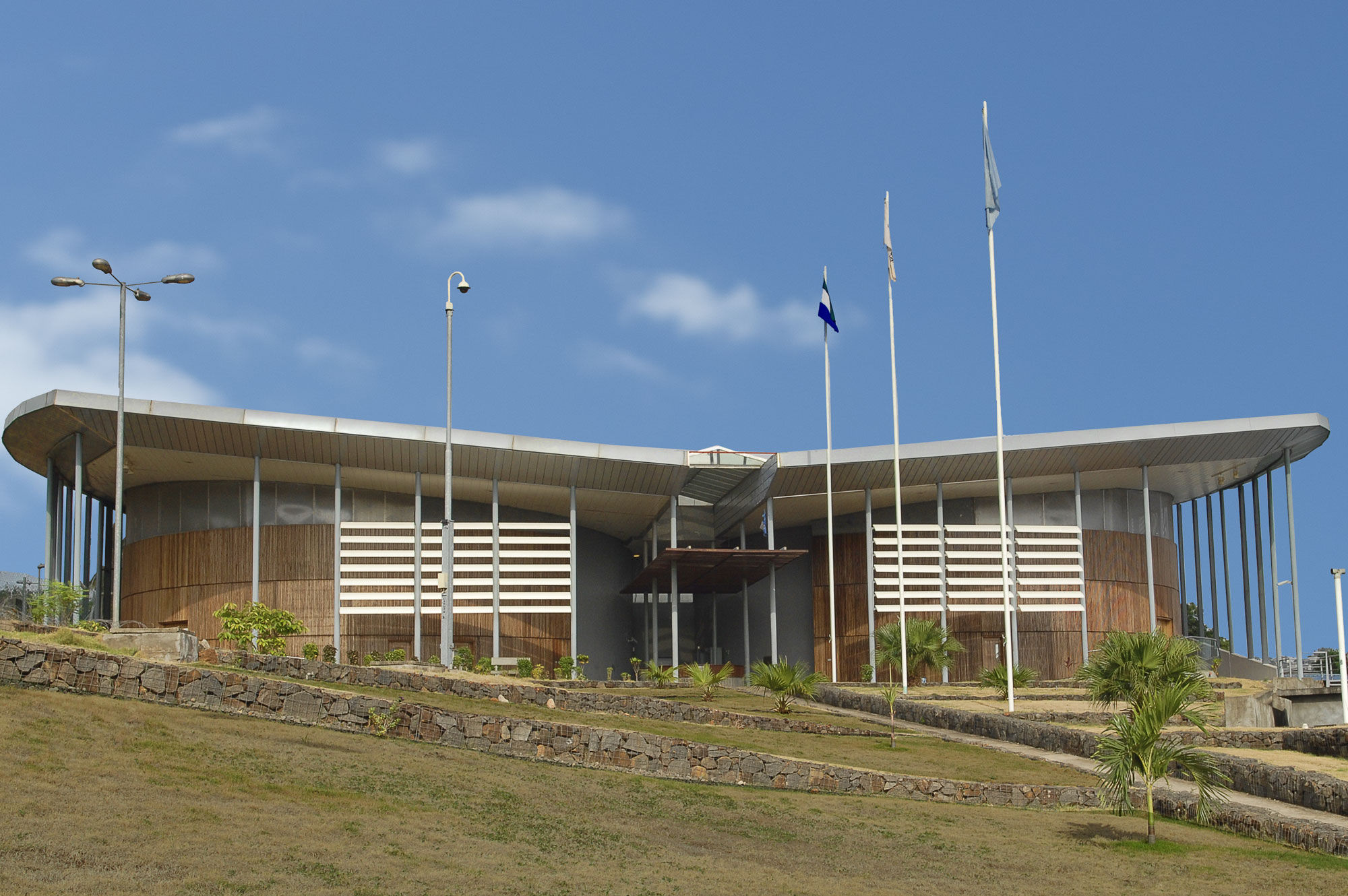
The Residual Special Court of Sierra Leone (RSCSL) in collaboration with multiple partners, including the Center for International Law and Policy in Africa (CILPA) hosted a Legacy Conference at their premises in Freetown, Sierra Leone, on the 27th and 28th of February 2024.
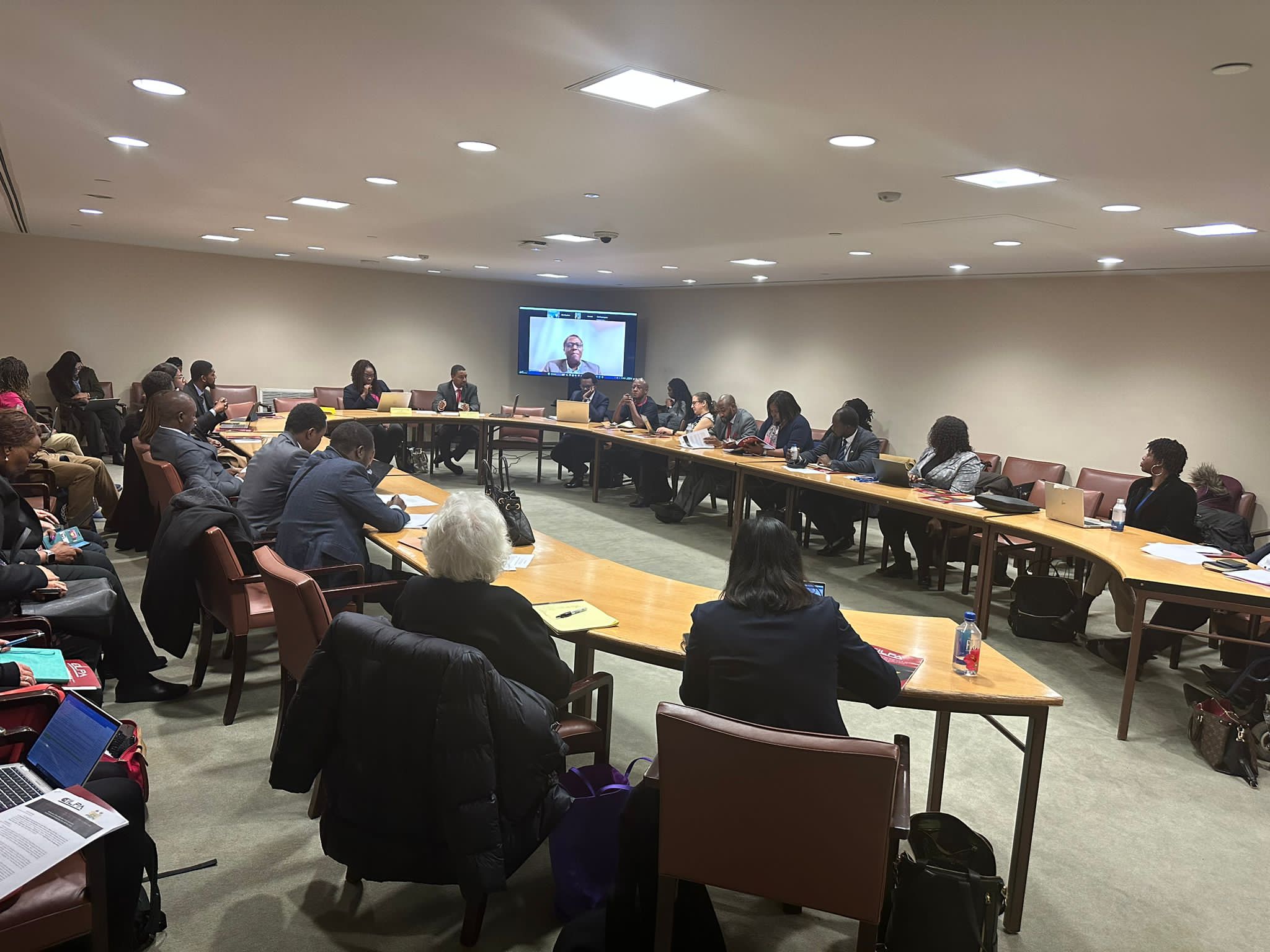
The Center for International Law and Policy in Africa (CILPA), in collaboration with the Permanent Mission of the Republic of Sierra Leone to the United Nations, had the honor to host a side event to the twenty-second session of the Assembly of States Parties (ASP) to the International Criminal Court (ICC) on “Bringing the African Perspective to the ICC Reform Discussion” on Wednesday, December 6, 2023, 13:15, at the United Nations Headquarters, in New York.
This report documents CILPA’s first three years of operations, institutional development, programmes, partnerships and early contribution to international law and policy in Africa.
The Center for International Law and Policy in Africa (CILPA), in collaboration with the Permanent Missions of Mexico and Sierra Leone to the United Nations in New York, invited State delegations to an interactive dialogue on Strengthening the Engagement of Global South States with the Work of the International Law Commission on the margins of the International Law Week in New York, on Monday, 30th October 2023, starting at 3:00 PM in Room E.
A project supporting academic research and a workshop on an international law framework for reparations for historic injustices suffered by people of African descent.
This occasional paper examines the relationship between the International Criminal Court and African States, providing background and legal-policy analysis as part of CILPA’s work on bringing African perspectives to the ICC reform discussion.
This occasional paper provides background on the relationship between the International Criminal Court and African States as part of CILPA’s broader work on African perspectives in the ICC reform discussion.
Dr. Geoffrey Kevins Lugano’s paper examines the domestic legal framework in selected African States that form part of the situational docket of the International Criminal Court, with a focus on national implementation of the Rome Statute, cooperation gaps and structural issues affecting the fight against impunity for atrocity crimes.
Ms. Lorraine Smith van Lin’s paper considers African States’ priorities and the Independent Expert Review of the International Criminal Court, critically assessing whether African concerns were ignored or dismissed during the review process.
The FIU College of Law (“FIU Law”), together with the Center for International Law and Policy in Africa (“CILPA”), convened a two-day symposium in Miami, Florida on Friday/Saturday November 4 and 5, 2022 to discuss the current and future work of the International Law Commission.
The Center for International Law and Policy in Africa (CILPA), in collaboration with the Office of Legal Counsel of the African Union Commission, hosted an interactive dialogue exploring the Role of Regional and International Codification Bodies in the Development of International Law. The interactive dialogue was hosted at the AU Permanent Observer Mission to the United Nations, New York, and on Zoom, on 26 October 2022, on the margins of the UN General Assembly’s Sixth Committee.
The Center for International Law and Policy in Africa and the International Bar Association convened an interactive dialogue, hosted by Debevoise & Plimpton LLP, New York, on Universal Criminal Jurisdiction: A Key Tool in the Fight for Atrocity Crimes in Ukraine and Beyond? The discussion, as a side event for the 2022 International Law Week, centered around the ongoing conflict in Ukraine and reflected a range of perspectives from academia, State representatives, experts from the International Law Commission and global civil society.
CILPA, with the co-sponsorship of the American Society of International Law and the International Nuremberg Principles Academy, convened a roundtable discussion on Africa, the Ukraine crisis and international law.
The Center for International Law and Policy in Africa (CILPA) and the University of Makeni convened a symposium at Radisson Blu Hotel Mammy Yoko Hotel, Freetown, on the review of Sierra Leone by the United Nations Human Rights Council.
On 16 January 2002, the United Nations and the Government of the Republic of Sierra Leone signed an historic agreement providing for the establishment of a Special Court for Sierra Leone (SCSL). This happened two days before the burning of arms on 18 January, to mark the end of the 11-year armed conflict. The mandate of the SCSL was to prosecute those persons bearing greatest responsibility for war crimes, crimes against humanity and other serious violations of international humanitarian law as well Sierra Leonean law committed during the conflict in Sierra Leone after 30 November 1996.
The Center for International Law and Policy in Africa (CILPA), with the co-sponsorship of the American Society of International Law (ASIL) and the International Nuremberg Principles Academy (INPA) hosted a roundtable discussion exploring the International Criminal Court’s ongoing review and reform process.
A project bringing African perspectives into the ICC reform discussion through independent research, expert review, workshops, publication and dissemination of occasional papers.
The Rome Statute of the International Criminal Court (ICC), which entered into force in July 2002, established the world’s only permanent international penal tribunal. The ICC is mandated to step in to assist States Parties when they are unwilling and or unable to investigate and prosecute genocide, crimes against humanity, war crimes, and the crime of aggression.
The term of the current ICC Prosecutor, Ms. Fatou Bensouda (The Gambia), will end in June 2021. In February 2021, the ICC Assembly of States Parties (ASP) elected Mr. Karim Khan (U.K.) to replace her. The election of a new ICC Prosecutor, by an absolute majority of the ICC States Parties, is an opportunity to look back on what has been accomplished by the OTP under Prosecutor Bensouda’s term.
The nine-year term of the current International Criminal Court (ICC) Prosecutor, Ms. Fatou Bensouda, ended in June 2021. In February 2021, the ICC Assembly of States Parties (ASP) elected Mr. Karim Khan to replace her. The election of a new ICC chief prosecutor was the culmination of a process that began in April 2019, when the Bureau of the ASP adopted terms of reference for a Committee on the Election of the Prosecutor (CEP). The CEP was supported by an independent Panel of Experts (PoE).
The Center for International Law and Policy in Africa (CILPA) and the Sierra Leone Bar Association (SLBA) co-hosted this workshop on Sierra Leone’s landmark accession to the New York Convention, as the first event in a series of International Law Discussions.
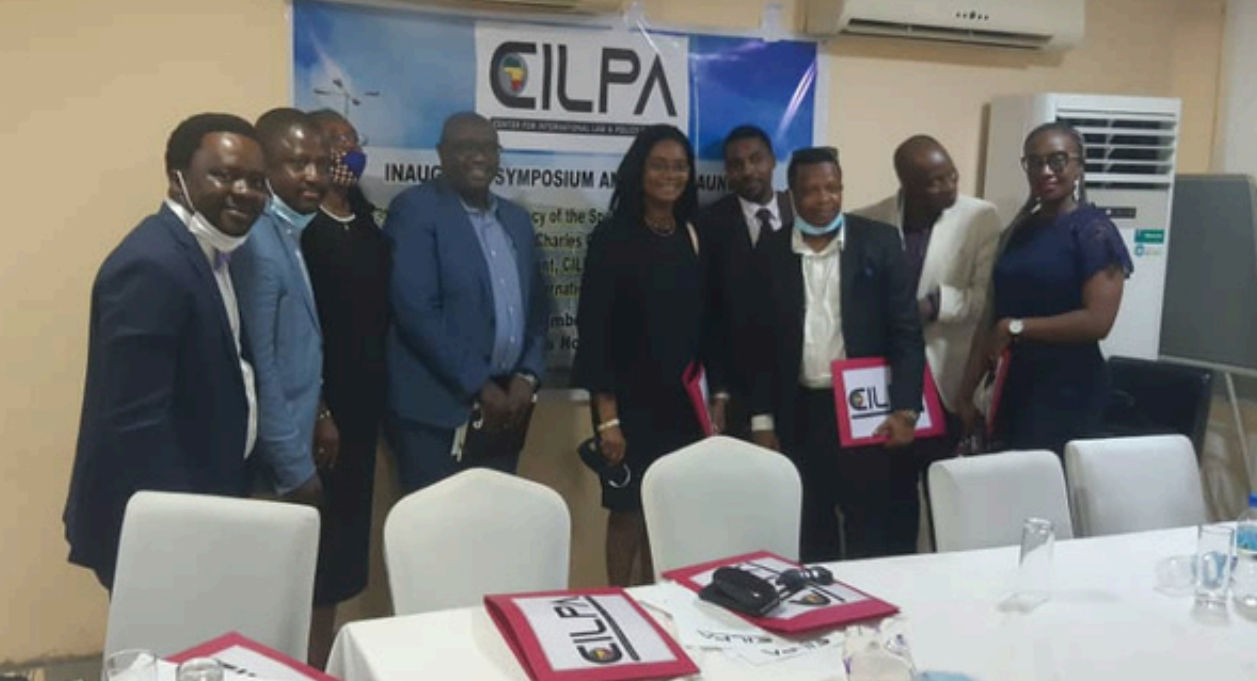
CILPA’s inaugural symposium and conference in Freetown examined the legal legacy of the Special Court for Sierra Leone and introduced CILPA to the local legal community.
A general support grant to establish the Center for International Law and Policy in Africa and support its institutional foundation, early programming and long-term mission.
The African Journal of International Criminal Justice is a peer-reviewed and interdisciplinary scholarly periodical providing a forum for international criminal law and transitional justice issues in Africa and the developing world.
A forthcoming project exploring African perspectives on global peace, security and the international legal order.
Reparations for the Disproportionate Consequences of Climate Change